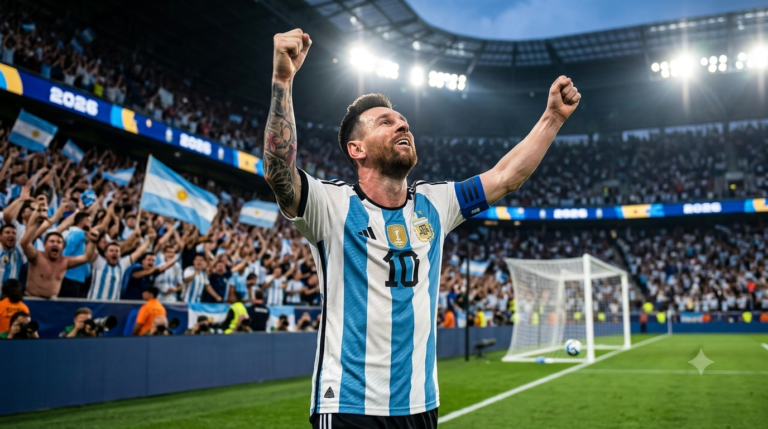

Has VAR Become a Lottery at the FIFA World Cup 2026?
VAR was introduced to football with a clear promise: fewer mistakes, fairer decisions, and more accuracy in the biggest moments. But during the FIFA World Cup 2026, the technology has once again become one of the most debated topics of the tournament.
Instead of ending controversy, VAR has sometimes created even more confusion. Fans, players, coaches, and pundits are now asking the same question: has VAR become a lottery at the World Cup?
Why VAR Was Introduced
Video Assistant Referee technology was designed to help match officials review major incidents that could change the outcome of a game. These include goals, penalties, direct red cards, and cases of mistaken identity.
In theory, VAR should make football fairer. Referees can review incidents from several angles, slow the footage down, and correct clear errors.
However, football is not always black and white. Many decisions still depend on interpretation, and that is where the controversy begins.
The Problem of Consistency
The biggest complaint about VAR at this World Cup has been consistency. Similar incidents have not always received the same punishment.
One challenge may be judged as a red card in one match but only a yellow card in another. A handball may be punished in one game but ignored in the next. A penalty may be awarded after a long review, while another similar incident is waved away quickly.
For fans, this creates the feeling that VAR is not removing uncertainty — it is simply moving the argument from the referee on the pitch to the officials watching the screen.
Technology Cannot Remove Human Judgment
VAR is often described as technology, but the final decision is still made by humans. The cameras can show what happened, but they cannot always decide what the incident means.
Was the contact enough for a penalty? Was the arm in an unnatural position? Did a player have control before a foul? These questions still require interpretation.
That means two officials can watch the same replay and reach different conclusions. This is why VAR can sometimes feel unpredictable, even when the technology itself is working properly.
Long Delays Frustrate Fans
Another major issue is the time taken to make decisions. Long VAR checks can break the rhythm of a match and create frustration inside stadiums.
Players stand waiting, fans do not always know what is being reviewed, and celebrations can feel incomplete until the final confirmation arrives.
Football is built on emotion and instant reaction. When a goal is scored, supporters want to celebrate immediately. VAR has made many fans hesitate before fully enjoying those moments.
Has VAR Improved the Game?
Despite the criticism, VAR has corrected many major mistakes. Clear offsides, mistaken penalties, and serious foul play incidents have been reviewed properly because of the system.
Without VAR, some wrong decisions would have stood and possibly changed the tournament. The problem is not that VAR has no value. The problem is that fans expect perfection from a system that still depends heavily on interpretation.
What FIFA Needs to Improve
If FIFA wants VAR to regain trust, communication must improve. Supporters inside stadiums need clearer explanations of what is being checked and why a decision has been made.
Officials also need greater consistency in how rules are applied. The more predictable decisions become, the less VAR will feel like a lottery.
Faster reviews, clearer guidelines, and better transparency could all help reduce frustration.
Final Thoughts
Has VAR become a lottery at the FIFA World Cup 2026? In some moments, it has certainly felt that way. The technology has helped correct mistakes, but inconsistent application has created confusion and debate.
VAR is not the enemy of football, but it must be used better. Fans do not expect every decision to be easy, but they do expect fairness, clarity, and consistency.
Until that happens, every major VAR decision at the World Cup will continue to divide opinion — and the debate over technology’s place in football will remain as intense as ever.