
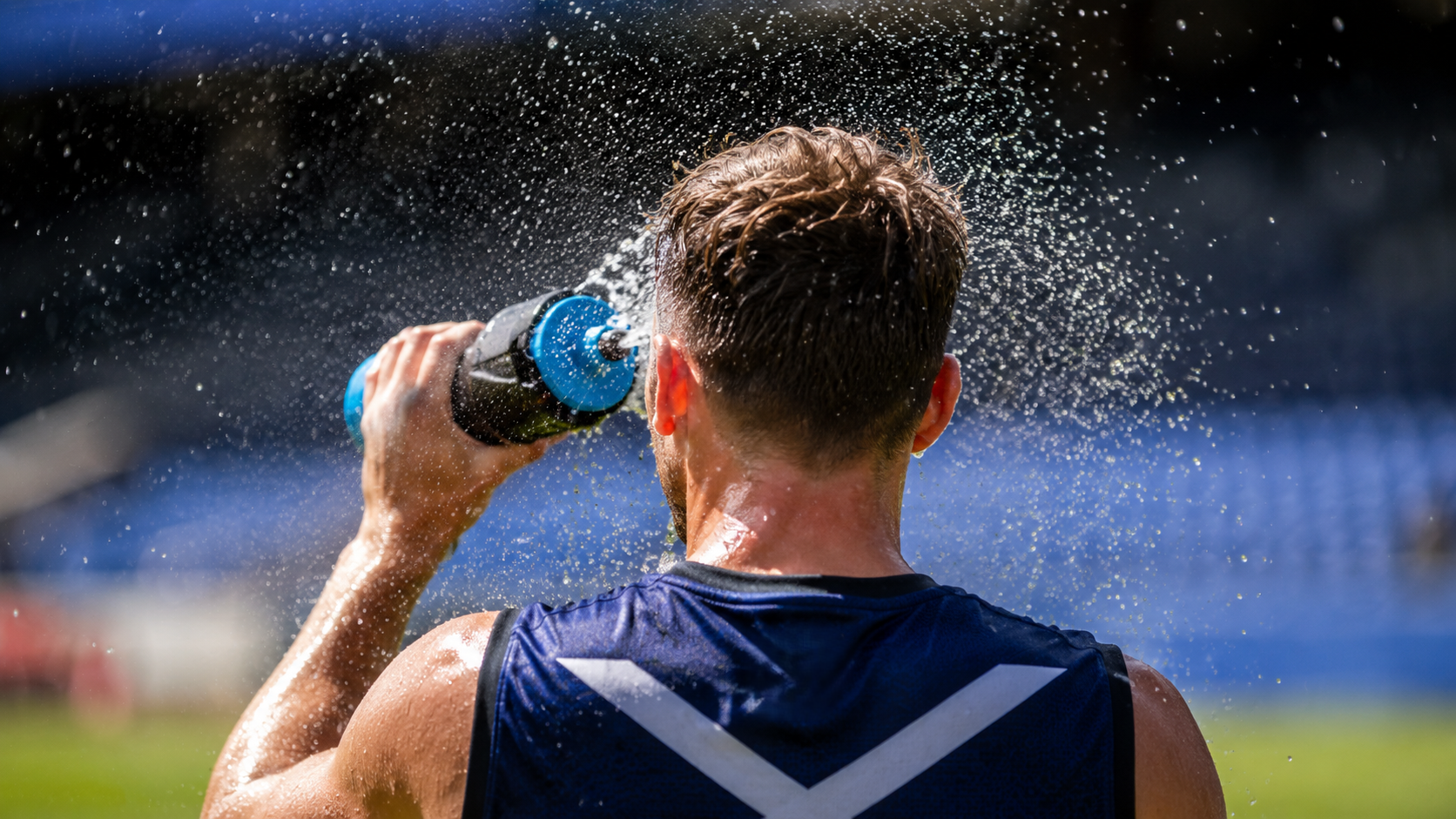
How sweltering Scotland can handle World Cup heat
The FIFA World Cup 2026 presents a unique challenge for many participating nations, and Scotland is no exception. While the Scottish national team has built a reputation for its determination, physicality, and passionate style of play, competing in the intense summer temperatures of North America will require a different kind of preparation. With matches scheduled across the United States, Mexico, and Canada, players will face varying climate conditions, including some of the hottest venues ever used in a World Cup.
As Scotland continues its campaign, managing the heat could become just as important as tactics and technical ability. Success in the tournament may depend on how effectively the squad adapts to these demanding conditions.
Preparing for Extreme Conditions
Scotland’s coaching staff have spent months planning for the environmental challenges of the tournament. Modern football places a strong emphasis on sports science, and the national team has invested heavily in monitoring player fitness, hydration levels, and recovery programs.
Training camps in warmer climates have helped players become accustomed to higher temperatures and humidity levels. These preparations allow the squad to adjust physically before stepping onto the World Cup stage. The goal is simple: ensure players can maintain their intensity for the full ninety minutes, regardless of the weather.
Smart Hydration Strategies
Hydration has become one of the most important aspects of tournament football. Players lose significant amounts of fluid during matches, especially in hot environments. Scotland’s medical team closely monitors each player’s hydration status before, during, and after every game.
Cooling vests, ice baths, electrolyte drinks, and carefully planned nutrition programs are now standard parts of the team’s preparation. These measures help reduce fatigue and allow players to recover more quickly between matches.
Tactical Adjustments Could Be Key
Scotland’s traditional high-energy style may need slight adjustments during particularly hot matches. Instead of pressing aggressively throughout the game, the team could focus on controlling possession and conserving energy during certain phases.
Managerial flexibility will be essential. Strategic substitutions, controlled tempo, and intelligent ball movement can help Scotland avoid unnecessary exhaustion. Tournament football is often about managing moments, and the heat may force teams to become even more tactical.
Leaders Stepping Up
Experienced players will play a crucial role in helping Scotland navigate the challenges ahead. Midfield leaders such as Scott McTominay have already demonstrated their ability to perform under pressure and set the standard for the rest of the squad.
Their experience in major international tournaments can help younger players stay focused and disciplined, especially during difficult moments when physical conditions become demanding.
The Support of the Tartan Army
No discussion about Scotland at a World Cup would be complete without mentioning the famous Tartan Army. Scottish supporters are known worldwide for their loyalty and enthusiasm. Thousands of fans have traveled across North America to support the national team, creating a home-away-from-home atmosphere wherever Scotland plays.
The energy from the stands can provide a significant psychological boost, helping players push through difficult moments and maintain confidence during challenging matches.
Looking Ahead
The heat of the FIFA World Cup 2026 will test every team in the competition, but Scotland has shown that it possesses the preparation, resilience, and determination needed to compete at the highest level. Through careful planning, modern sports science, tactical intelligence, and strong leadership, the Scottish squad is aiming to turn a potential obstacle into an advantage.
If Scotland can successfully adapt to the demanding conditions, the Tartan Army may yet witness one of the nation’s most memorable World Cup campaigns. The road ahead will not be easy, but the opportunity to make history remains very much alive.