
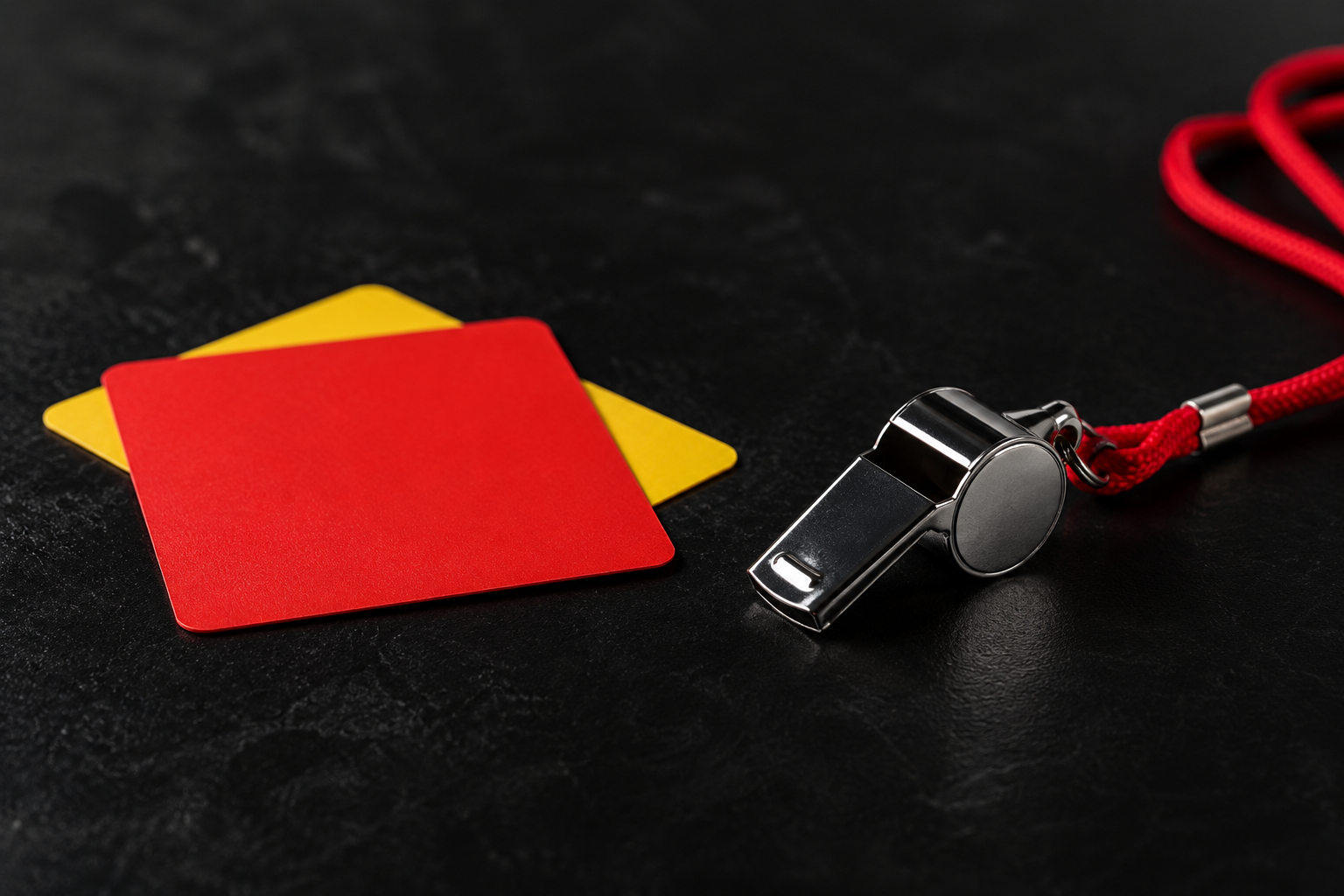
What Are FIFA World Cup Red Card Suspension Rules? Everything Fans Need to Know
The FIFA World Cup is football’s biggest stage, where every decision can change the destiny of a team. While goals, assists, and dramatic victories often dominate the headlines, disciplinary actions can be just as important. A single red card can leave a team without one of its key players and significantly impact its chances of success.
As the FIFA World Cup 2026 unfolds across Canada, Mexico, and the United States, understanding the tournament’s red card suspension rules has become increasingly important for fans. Here is a complete guide to how suspensions work and what happens when players are sent off during the competition.
Automatic Suspension After a Red Card
Any player who receives a straight red card during a FIFA World Cup match is automatically suspended for the team’s next game. This rule applies regardless of the stage of the tournament, whether it occurs in the group stage, knockout rounds, or even the semi-finals.
The suspended player is not allowed to participate in the following match and must watch from the sidelines. Teams are required to adjust their tactics and lineups to compensate for the absence of the suspended player.
For coaches, losing a key defender, midfielder, or striker at a crucial moment can dramatically affect their team’s chances of progressing further in the competition.
Straight Red Cards vs Two Yellow Cards
A player can receive a red card in two different ways:
- A direct red card for serious foul play, violent conduct, denying an obvious goal-scoring opportunity, or other major offenses.
- A second yellow card in the same match, which automatically results in a red card and dismissal.
In both situations, the player is sent off immediately and cannot be replaced. The team must continue the match with one fewer player, often creating a significant disadvantage.
Can FIFA Increase the Suspension?
Yes. FIFA’s Disciplinary Committee reviews serious incidents after matches and has the authority to impose additional sanctions.
If a player commits violent conduct, spits at an opponent, uses offensive behavior, or engages in dangerous actions that go beyond a normal foul, the suspension may be extended beyond one match.
The committee carefully analyzes referee reports, match footage, and other evidence before making a final decision.
Yellow Card Accumulation Rules
In addition to red card suspensions, players can also be suspended through the accumulation of yellow cards.
If a player collects multiple yellow cards during the tournament, they may be forced to miss a future match. FIFA uses these rules to encourage fair play and discourage repeated tactical fouls.
However, to avoid players missing the World Cup Final because of old cautions, FIFA typically clears yellow card records at a certain stage of the knockout rounds, ensuring that players are not unfairly suspended for the biggest match in football.
How Teams Cope Without Suspended Players
History has shown that suspensions can change the course of a World Cup campaign. Coaches often spend months preparing alternative lineups in case a key player becomes unavailable.
Depth of squad becomes critical in major tournaments. Teams with strong bench options are usually better equipped to overcome suspensions and continue competing at a high level.
Some of football’s most memorable World Cup stories have featured unlikely heroes stepping up when suspended stars were unavailable.
Famous World Cup Red Cards
The World Cup has witnessed several unforgettable red card incidents over the years. From controversial dismissals to moments of frustration under immense pressure, red cards have often become defining moments in football history.
These incidents serve as reminders that discipline and composure are just as important as talent when competing on the sport’s grandest stage.
Why the Rules Matter
Red card suspension rules exist to protect players, maintain fair competition, and preserve the integrity of the game. By punishing dangerous behavior and unsporting conduct, FIFA aims to ensure that matches are decided by skill and teamwork rather than reckless actions.
As the FIFA World Cup 2026 continues to deliver excitement across North America, players must balance aggression with discipline. One mistimed challenge or moment of frustration could result in a suspension that affects not only an individual player but an entire nation’s World Cup dream.
For fans, understanding these rules adds another layer of intrigue to the tournament, where every card, tackle, and decision can have lasting consequences.